Common vehicle sounds explained — and when to take action.
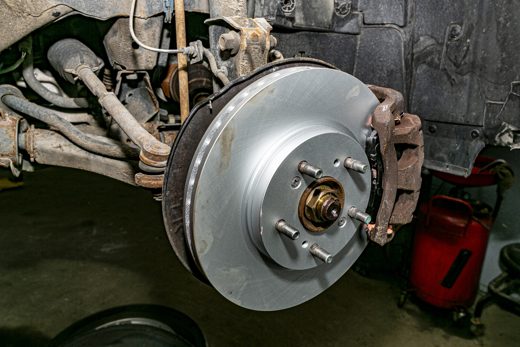
A high-pitched squeal when you press the brake pedal is the most common noise drivers notice. In most cases, it's a wear indicator — a small metal tab built into the brake pad that contacts the rotor when the pad gets thin. It's doing exactly what it's supposed to do: telling you the pads are due for replacement.
Grinding is different. That metal-on-metal sound means the pad material is gone and the backing plate is contacting the rotor directly. This damages the rotor, and every kilometre you drive makes the repair more expensive. If you hear grinding, don't wait. Get it looked at.
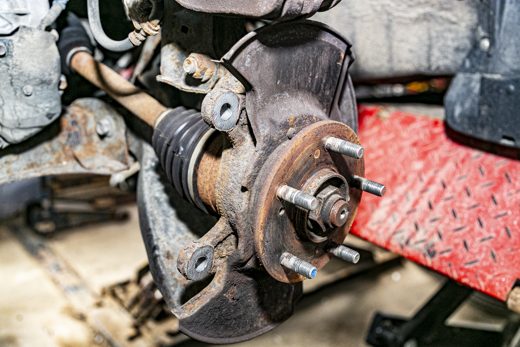
A scraping noise that happens even when you're not braking can be a heat shield rubbing against the rotor, a stuck caliper, or debris caught behind the dust shield. It's usually not dangerous, but it won't go away on its own. Drivers across Collingwood and Stayner bring these kinds of noises to us regularly, and a proper brake inspection usually sorts it out quickly. If you're noticing other warning signs alongside the noise, it's worth mentioning those too.
Squealing is a reminder. Grinding is a deadline.
A clunk or knock when you hit a bump — especially at low speed — usually points to worn suspension components. Ball joints, sway bar links, strut mounts, and control arm bushings all develop play over time, and when they do, things start moving that shouldn't be.
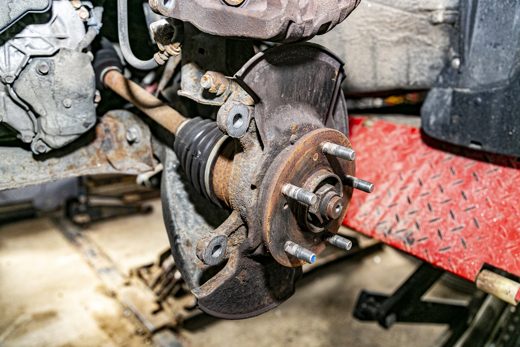
A popping sound when turning can indicate worn CV joints (on front-wheel or all-wheel drive vehicles) or upper strut mount bearings. If it only happens at full lock, it's more likely the CV joint. If it happens even on slight turns, the strut mount is the more common culprit.
Ontario's roads accelerate this kind of wear significantly. The frost heave cycle in Simcoe County — freeze, thaw, repeat — creates potholes and uneven surfaces that put constant stress on suspension parts. Gravel roads around Mulmur and Clearview Township add to it. These are the noises we diagnose most often, and they're almost always repairable without replacing the entire suspension.
A clunk is a conversation your suspension is trying to have with you.
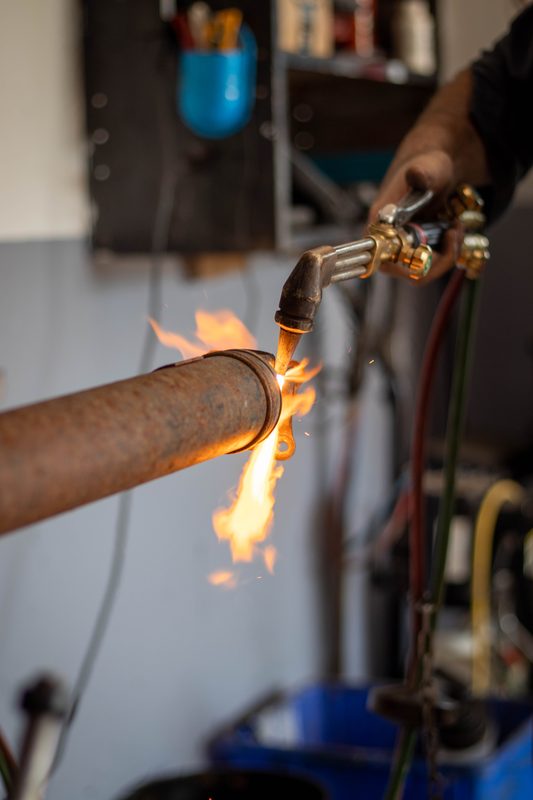
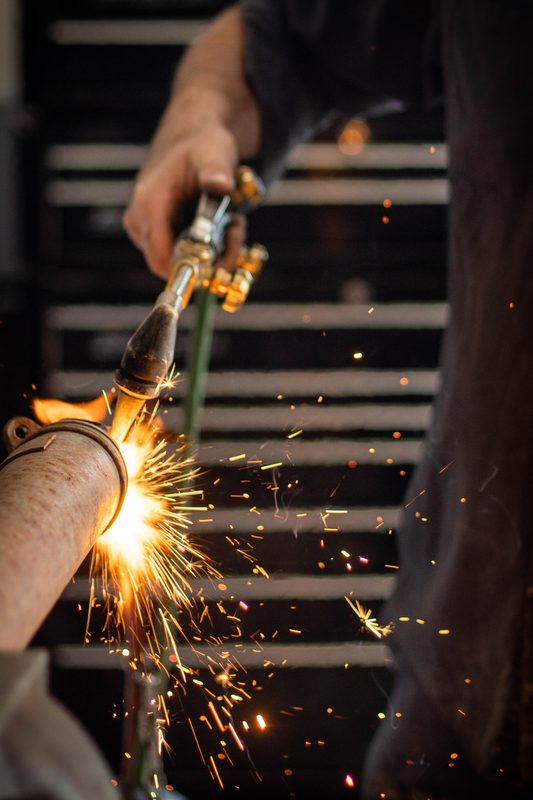
A rattle from underneath your vehicle at idle or during acceleration is often exhaust-related. Heat shields loosen, hangers rust through, and over time the exhaust system develops movement where there shouldn't be any. In Ontario, this is extremely common — road salt corrodes exhaust components faster than almost anything else on the vehicle.
A ticking sound from the engine, especially on cold start, can be valve lifters adjusting, an exhaust manifold leak, or low oil. If it goes away after the engine warms up, it's less concerning but still worth monitoring. If it persists, or gets louder, that's a sign something in the engine or drivetrain needs attention.
A deep rumble or droning that increases with speed can point to a failing wheel bearing or an exhaust leak closer to the manifold. Wheel bearing noise usually changes when you shift the vehicle's weight side to side — if the pitch shifts during a lane change, that's a strong indicator. Either way, these aren't sounds you should ignore for long.
Your vehicle doesn't make new noises for no reason.
A constant hum that increases with speed and doesn't change when you brake is often tire-related. Uneven tire wear, cupping from worn suspension, or aggressive tread patterns can all produce this sound. It's worth checking your tread wear pattern — if one edge is wearing faster than the other, that's usually an alignment or suspension issue compounding the noise.
Whining from the transmission area — especially noticeable when accelerating or decelerating — can indicate low transmission fluid, worn bearings, or internal wear. A whine from the front end on turns may be the power steering pump, especially in older vehicles with hydraulic systems. These sounds tend to get gradually louder over time, which makes them easy to dismiss until they become significant.
If you're driving around Wasaga Beach or Collingwood and your vehicle develops a howl at highway speed, don't just turn up the radio. Bring it in for proper diagnostics. The sooner we identify the source, the simpler and less expensive the fix tends to be. A noise that's been developing for six months is always harder to track down than one that started last week.
The best time to investigate a noise is when it first starts.
Schedule your appointment today.