Preparing Your Vehicle for the Road Ahead.

What to check before a long drive — and why it matters.

Foundation

Tires and Brakes. The Non-Negotiables.

Before any long trip — whether it's up the 400 corridor to cottage country, a Muskoka run for the long weekend, or a winter drive to the ski hills near Collingwood — tires and brakes are where you start. They're the two systems that keep you safe at highway speed, and they're the two most likely to cause a serious problem if they're marginal.

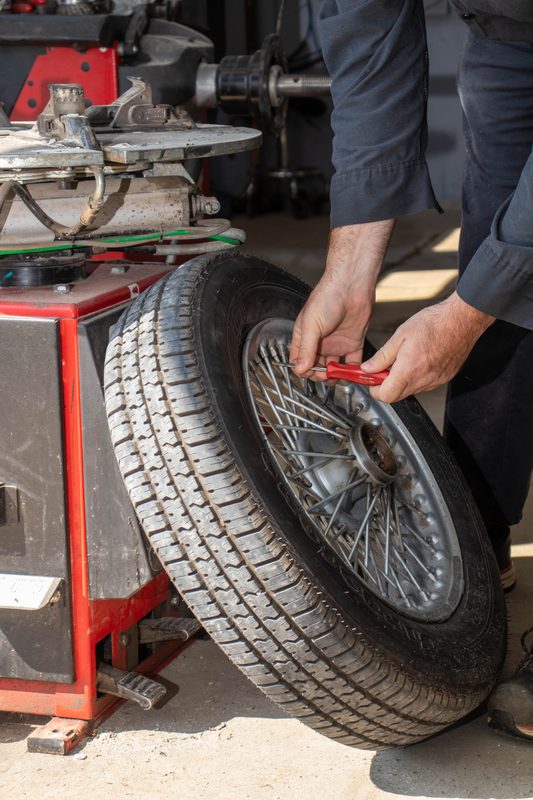
Tires need adequate tread depth, correct pressure, and no visible damage. Tread depth matters most in wet and winter conditions — if you're at 4/32" or less, you're pushing it for a highway trip, especially if rain is in the forecast. Check your spare too. A flat spare in the trunk is worse than no spare at all, because you'll waste time discovering it when you need it most.

Brakes should feel firm and responsive with no pulling, pulsation, or noise. If you've been noticing any warning signs — even minor ones — get them checked before loading up the vehicle. Highway driving with a loaded vehicle puts more demand on brakes than your daily commute around Stayner or Creemore. What's marginal in town can become a problem at 120 km/h with a full vehicle.

The things that keep you safe deserve attention before the trip, not during it.
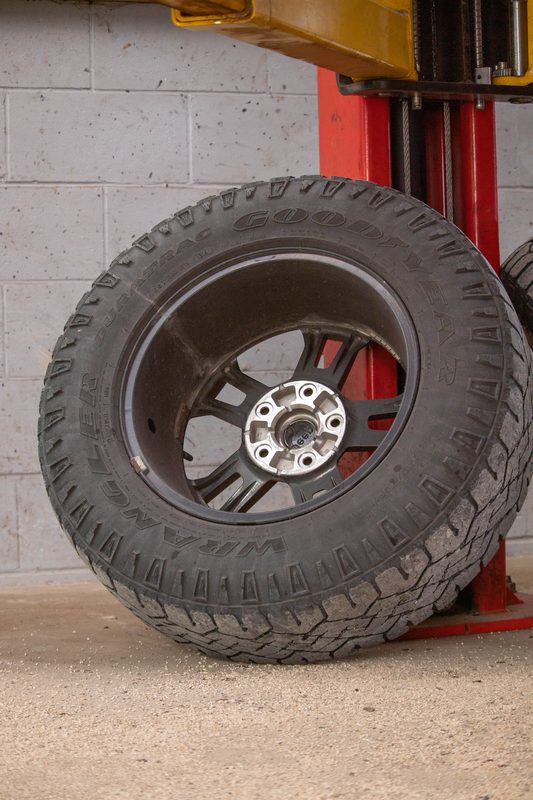
Goodyear Wrangler tire on rim
Under the Hood

Fluids, Belts, and the Stuff You Can't See.

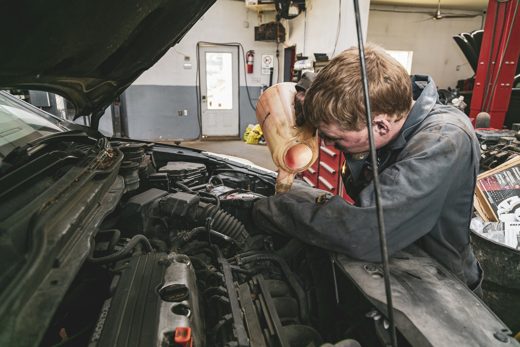
Fluids are the lifeblood of your vehicle. Before a long drive, every one of them should be at the right level and in the right condition. Engine oil should be clean and at the proper level — if you're within a few hundred kilometres of your next oil change, do it before the trip rather than after. Coolant, brake fluid, transmission fluid, and power steering fluid all need to be checked as well.

Belts and hoses are easy to overlook because they don't give much warning before they fail. A serpentine belt drives your alternator, water pump, and A/C compressor — if it snaps on Highway 400, everything stops working at once. Hoses that are soft, swollen, or cracked are on borrowed time. These are inexpensive to replace proactively and expensive to deal with on the shoulder of the highway.

Windshield washer fluid is the one most people forget. In Ontario, road spray and salt film can make your windshield nearly opaque in minutes, especially on a winter drive. Running out of washer fluid at highway speed is genuinely dangerous. Top it off before you leave. It takes thirty seconds and costs almost nothing.

A few checks under the hood prevent a lot of trouble on the road.

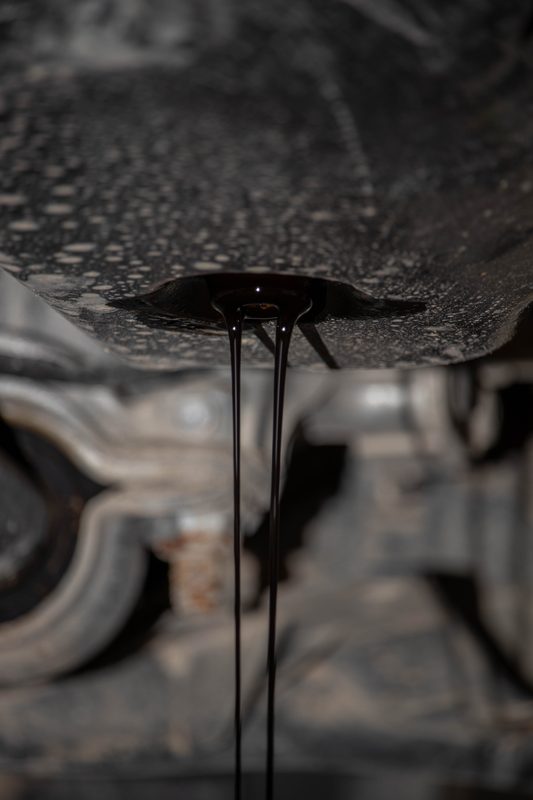
Oil drain plug closeup during service
Electrical & Visibility

Lights, Battery, Wipers — The Easy Wins.

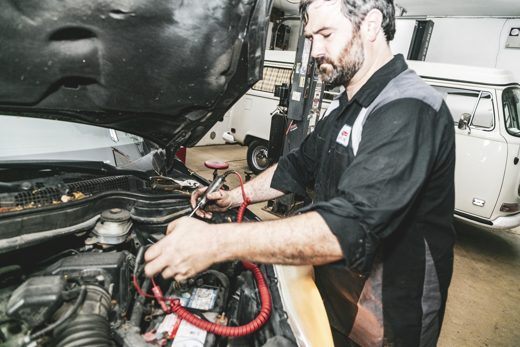
A dead battery is the most common cause of roadside breakdowns, and it almost always gives warning signs beforehand. Slow cranking, dimming headlights, or a battery that's more than four years old — these are all reasons to get it tested before heading out. A battery test takes minutes, and we'll tell you exactly how much life is left. Simcoe County winters are brutal on batteries, and a marginal one will pick the worst possible moment to quit.

Walk around your vehicle and check every light. Headlights, tail lights, brake lights, turn signals, reverse lights. A burned-out brake light is an easy fix in the driveway. On a dark highway, it's the reason the car behind you doesn't know you're stopping. If you're heading up for a winter trip, make sure your headlights are properly aimed and not yellowed or hazy — reduced light output makes a real difference on unlit rural roads.

Wipers are another item that gets ignored until you need them. If they're streaking, chattering, or leaving gaps, replace them before the trip. Ontario weather changes fast, and the stretch between Wasaga Beach and Barrie can go from clear to a downpour in minutes. Good wipers and a full washer fluid reservoir are cheap insurance.

The simple stuff prevents most breakdowns.

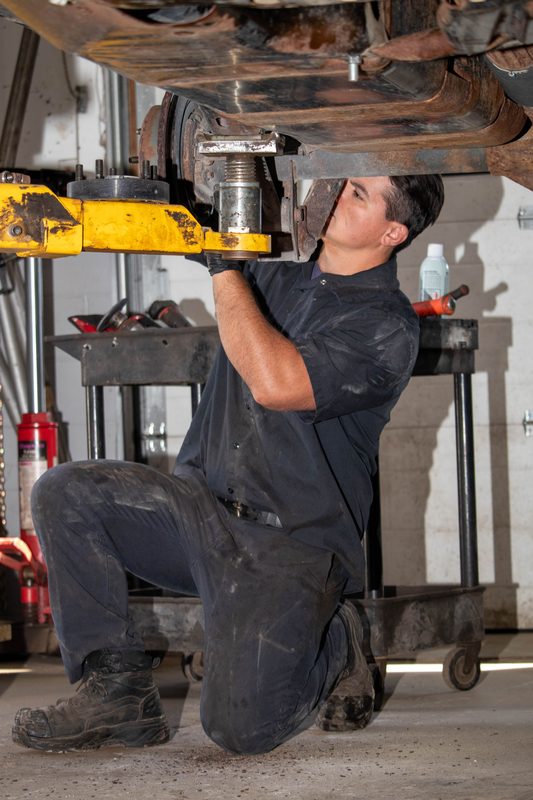
Mechanic inspecting vehicle undercarriage
Peace of Mind

A Pre-Trip Inspection vs. a Highway Breakdown.

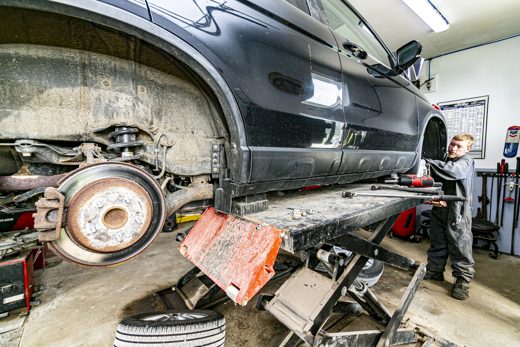
You can do a lot of the basic checks yourself — fluid levels, tire pressure, lights, wipers. But a proper pre-trip inspection catches the things you can't see from the driver's seat. Worn suspension components, brake pad thickness, exhaust leaks, loose heat shields, leaking seals — these require a lift and a trained eye.

A pre-trip inspection takes about an hour and gives you a complete picture of your vehicle's readiness. Compare that to the cost of a breakdown on the 400: the tow alone can run several hundred dollars, plus the repair at an unfamiliar shop, plus the hotel if you're stranded overnight, plus the trip you were supposed to be enjoying.

We see a lot of families from Creemore, Collingwood, and Clearview Township heading out for long weekends and summer holidays. The ones who book a quick inspection before they leave rarely have problems on the road. The ones who skip it and hope for the best — well, we hear about those trips too. If you need to leave your vehicle for the inspection, we have loaner vehicles available so you're not stuck waiting.

An hour in the shop beats a day on the shoulder.

Mechanic performing thorough undercarriage inspection
Related Resources

More from Auto Solve

Get Started

If you're looking for a shop that takes your vehicle as seriously as you do.

Schedule your appointment today.