Your vehicle talks to you. Here's how to listen.
A dashboard warning light isn't a suggestion. It's your vehicle's way of telling you something specific has gone outside its normal operating range. Some of these are urgent. Others can wait. Knowing the difference saves you money and keeps you safe on the roads around Creemore, Collingwood, and Stayner.
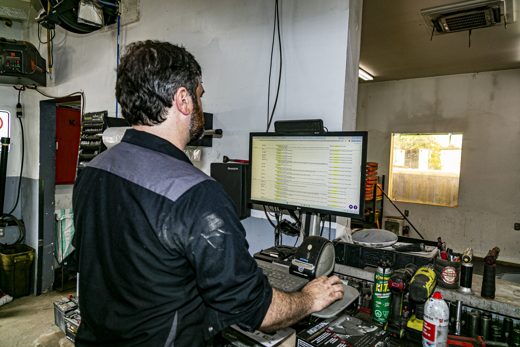
The check engine light is the most common — and the most misunderstood. It can mean anything from a loose gas cap to a failing catalytic converter. Ignoring it won't make it go away, and the longer you wait, the more likely a minor issue becomes an expensive one. A proper diagnostic scan identifies the exact code and what's triggering it.
Oil pressure and temperature lights are the ones that demand immediate action. If either comes on while you're driving, pull over safely and shut the engine off. Continuing to drive with low oil pressure or an overheating engine can cause catastrophic damage in minutes. ABS and battery lights are important but less urgent — they indicate a system that needs attention, but you can usually drive to the shop safely.
Red lights mean stop. Yellow lights mean get it checked.
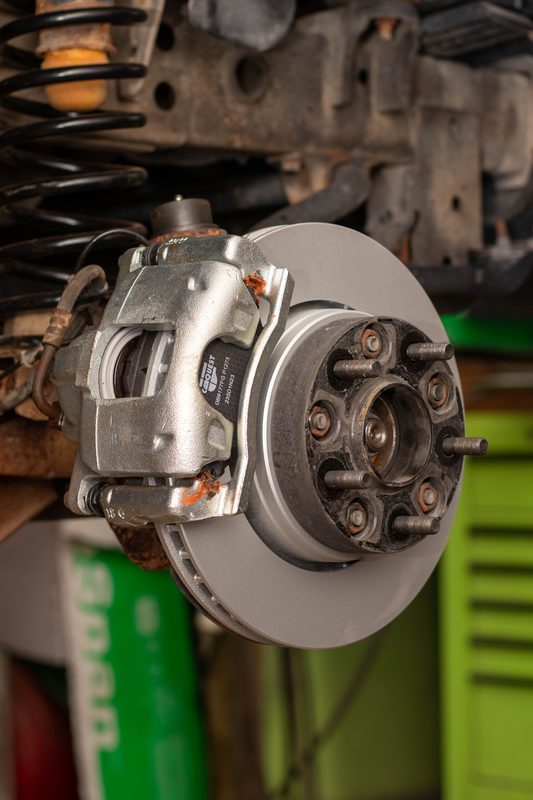
Your vehicle communicates through more than just dashboard lights. Vibrations, pulling, grinding, squealing — these are all messages. A vibration through the steering wheel at highway speed often points to tire balance or worn suspension components. A vibration when braking usually means warped rotors. Neither is something to ignore, especially on the busy roads between Wasaga Beach and Collingwood.
Pulling to one side when driving straight is another common symptom. It can be alignment, a sticking brake caliper, or uneven tire pressure. It's often simple to diagnose and fix, but leaving it creates uneven brake and tire wear that turns a small problem into a bigger expense.
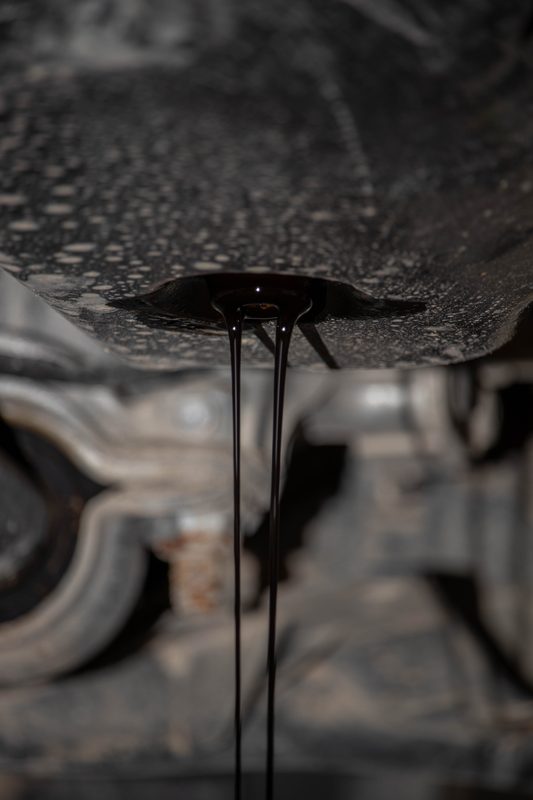
Fluid leaks tell their own story. Oil is dark brown or black. Coolant is usually green, orange, or pink. Transmission fluid is red. Brake fluid is clear to light brown. If you're seeing spots under your vehicle in the driveway, note the colour and location. That information helps us pinpoint the source quickly. Any brake fluid leak is a safety issue and needs immediate attention.
Your vehicle is rarely quiet about problems. Pay attention.
Sometimes the warning signs are subtle. Your vehicle starts a little harder on cold Simcoe County mornings. The idle feels rougher than it used to. Fuel economy drops gradually. Acceleration feels sluggish. None of these scream emergency, but they all point to something changing under the hood.
Hard starting in cold weather can be a battery nearing the end of its life, worn spark plugs, or a fuel system issue. Rough idle often traces back to spark plugs, ignition coils, or vacuum leaks. Poor fuel economy can mean a dozen different things — from underinflated tires to a failing oxygen sensor. The point is that these changes don't happen randomly.
The good news is that most of these issues are cheaper to address when caught early. A set of spark plugs is a fraction of the cost of replacing a catalytic converter that failed because the plugs were misfiring for months. A battery test takes five minutes and costs nothing — getting stranded on Highway 26 because the battery finally gave up costs your entire day. Regular maintenance catches these things before they escalate.
Small changes now prevent big bills later.
Not every symptom requires an emergency visit. Understanding what's urgent and what can be scheduled helps you stay calm and make good decisions. Here's the general rule: anything that affects your ability to stop, steer, or see is urgent. Everything else can usually be booked within a reasonable timeframe.
Brake issues, steering problems, overheating, oil pressure warnings, fluid leaks under the vehicle, and any smoke from under the hood — these need attention now. Don't drive on them if you can avoid it. A check engine light, a minor vibration, a slow change in fuel economy, or a small noise that comes and goes — these are worth investigating, but they can wait for a scheduled appointment.
The key is not to let "can wait" become "ignored indefinitely." We see it all the time across Clearview Township and the surrounding area — a noise that's been there for months finally becomes a breakdown. Most of those breakdowns were preventable with a $200 repair that became a $2,000 one. If something on your vehicle has changed, even if it seems minor, it's worth understanding what it might cost to address it before it gets worse. Book a diagnostic appointment and get a clear answer.
Catching it early is almost always the cheaper option.
Schedule your appointment today.